entities
established through funding from the Foundation.
|

|
 |
 |
About the Foundation » A Strong History of Grantmaking
|
A Strong History of Grantmaking
|
|
Arts, Education, Health and Human Services, Animal Services and Civic Responsibility
Arts: The Trustees of the Annenberg Foundation possess a deep appreciation for the visual and performing arts. This passion has led to the support of a plethora of arts institutions internationally, such as the American Academy of Dance in Paris (L'Académie Américaine de Danse à Paris), which teaches the artform to children and adults, including those with special needs. The Foundation has also supported exhibitions, programming and publications at art institutions of all sizes, from the Museum of Modern Art in New York, to the Hammer Museum in Los Angeles. The Foundation has made significant investments such as a $23 million grant to the Los Angeles County Museum of Art for acquisition of The Marjorie and Leonard Vernon Collection, a comprehensive history of photography and collection of masterworks from the nineteenth and twentieth centuries. This funding builds on the early landmark grantmaking of the Foundation to national art treasures such as the Metropolitan Museum of Art and the New York Philharmonic.
Public Media: The Annenberg Foundation has given millions of dollars to support public media, beginning with its $90 million pledge to the Corporation for Public Broadcasting in 1981. Support continues through grants to organizations such as National Public Radio. Building upon Ambassador Annenberg's life in publishing and broadcasting, the Foundation directed a $15 million grant towards the Newseum. The Newseum is a 250,000-square-foot museum in Washington, D.C., which offers five centuries of news history with up-to-the-second technology and hands-on exhibits. The Foundation gift is the largest received to date.
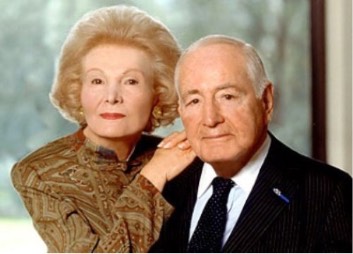
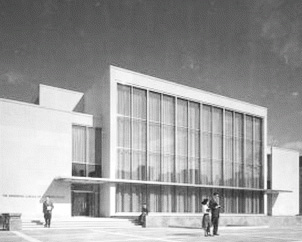
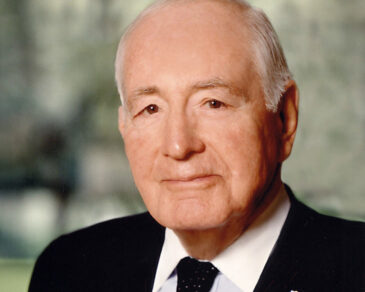
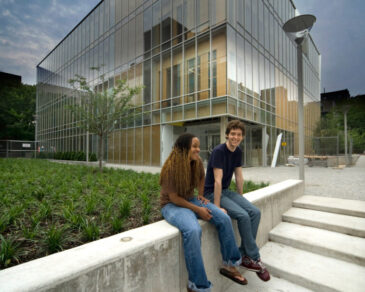
Higher Education: Ambassador Annenberg had an unwavering belief in the power of education to transform lives. Among the Foundation's many commitments to higher education are the $120 million endowments to the Annenberg School for Communication at the University of Pennsylvania and the Annenberg School for Communication at the University of Southern California. The Foundation's education philanthropy has evolved from an almost exclusive concentration on higher education to a deep commitment to improving schools and expanding opportunities at every level.
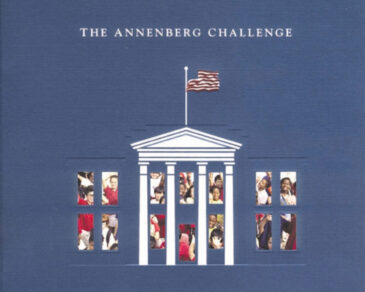
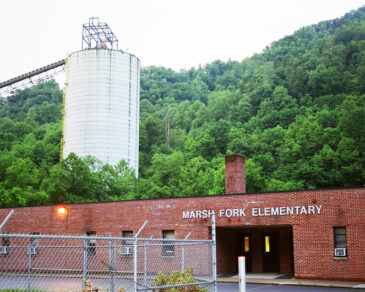
Public Education: In December 1993, Ambassador Annenberg announced the largest grant he had ever made: the $500 million Annenberg Challenge for School Reform. Almost a quarter of the grant was designed for the reform work of these entities: the Annenberg Institute for School Reform at Brown University; New American Schools Development Corporation (now New American Schools) and the Education Commission of the States to disseminate the reform designs. The remaining $385 million went to 18 separate school reform efforts in major cities, national organizations representing rural schools and to promote arts education. These grants were matched by more than $600 million in additional funding from foundations, government, corporations and individual donors. The Foundation has awarded more than $63 million in follow-up grants to the original Challenge entities or their successors to catalyze improvements in education.
Professional Educational Development: In 1999, a $40 million grant was made to expand the Annenberg/CPB satellite-delivered television channel to offer free professional development and curriculum materials for primary and secondary teachers. The Washington, D.C. based Annenberg Media now leads the field in providing multimedia educational resources to improve teaching methods and subject expertise. Annenberg Media's educational programming can be found at www.learner.org, the most visited educator professional development site in the U.S. with nearly 13 million visits per month. Annenberg Media's efforts have reached more than 100,000 schools as well as some 85 million homes. Resources are used by schools and community agencies, and colleges and universities, for workshops, institutes and course use.
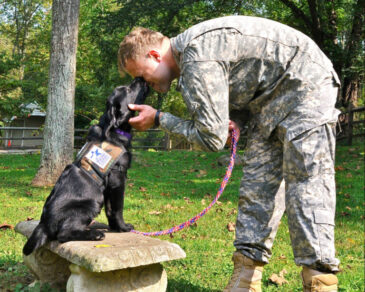
Animal Services: The Foundation has supported organizations around the world devoted to protecting all living things, including the Jane Goodall Institute for Wildlife Research Education & Conservation in Arlington, Virginia where Foundation funding increased primate habitat conservation; the China Conservation and Research Center for the Giant Panda (CCRCGP) in the Sichuan Province, to contribute to the prevention of the extinction of this endangered species; Hemopet of Garden Grove, California-- the first private non-profit animal blood bank, which services over 2000 veterinary clinics nationwide and in Canada, and rescues retired racing greyhounds with the aim of finding permanent homes for these dogs; Pet Orphans of Southern California, one of the oldest active humane organizations in the Greater Los Angeles area, for which Foundation funds provided critical veterinary care to animals living with individuals who could not otherwise care for their pets-- those on disability, social security, as well as other low-income individuals; funding has also been provided to the Society for the Prevention of Cruelty to Animals in Long Beach, San Francisco and San Diego.
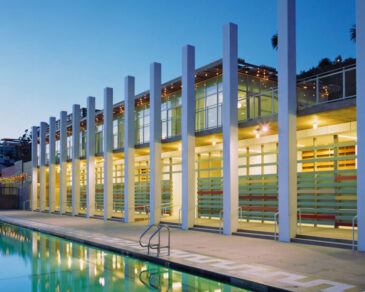
Working closely with the local community, the Foundation is creating the Wallis Annenberg Companion Animal Center at Lower Point Vicente, Rancho Palos Verdes. This education center and family destination focuses on the compelling story of animal life on the Peninsula. The project includes: using architecture, art and exhibits to teach about local geology, history, marine ecology, terrestrial animals and habitats; creating a hands-on education center and outdoor exhibits; providing a model companion animal adoption program; giving behavior modification and socialization programs, as well as workshops and counseling related to domestic animals.
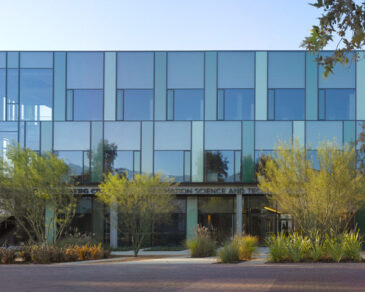
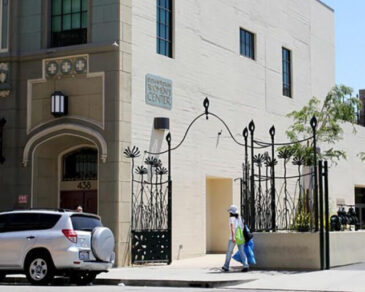
Health and Human Services: The Foundation is focused on supporting innovative ways to deliver the latest medical knowledge to front-line healthcare providers. It also supports research, innovative facilities, and improving the health information needs of the public. The Annenberg Center for Health Sciences at Eisenhower Medical Center in Rancho Mirage, California educates health professionals and promotes the general welfare in its community. Downtown Women's Center provides a wide array of health, education, and supportive services to more than 2,000 homeless and low-income women each year. The Center is the only facility singularly dedicated to serving the unique needs of homeless women in Downtown Los Angeles. The Los Angeles Free Clinic provides affordable quality health care and human services for the underserved. The Clinic cares for tens of thousands of individuals each year. The Ronald Reagan UCLA Medical Center in Los Angeles, California, a technologically advanced and architecturally innovative hospital facility, built to replace buildings structurally damaged by the 1994 Northridge, California earthquake, has a progressive paperless patient information system, and maintains space for family members to stay with patients.
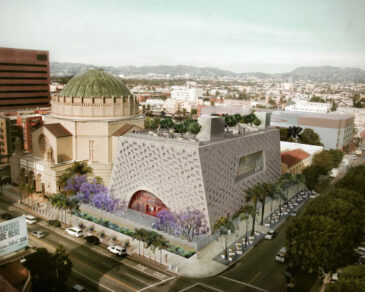
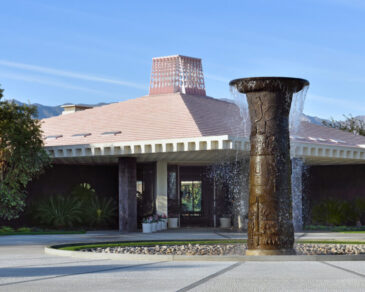
Civic Responsibility: Ambassador Annenberg was deeply patriotic and grateful for the opportunity and freedoms America offers. He believed that every citizen had a civic duty to his or her country. The Foundation continues to build upon his passion and commitment by supporting education and institutions of democracy such as the Annenberg Center for Education and Outreach at the National Constitution Center in Philadelphia, Pennsylvania and the Foundation's own effort called the Civic Education Initiative. The Annenberg Foundation Trust at Sunnylands in Rancho Mirage, California was established in 2001 by the Foundation to improve public understanding of the Constitution, the democratic process, and to address serious issues facing the country and the world. The Annenberg Public Policy Center of the University of Pennsylvania was established in 1994 to conduct research and convene discussions on the critical intersection of media, communication, and public policy. The Public Policy Center has developed such initiatives as FactCheck.org, a nonpartisan advocate for voters which aims to increase public knowledge and understanding by monitoring the factual accuracy of political dialogue.
|
|
Back to top
|
|
|
|
|
 |